Your address will show here +12 34 56 78
Advertising, Marketing, SEO

Marketing is one the most important pillars that aids the growth of your business. No matter what market segment your business serves. Marketing is the only thing that shouts for the growth and well-being of your business. It’s a catalyst to your business growth and existence.

The numerous strategies of marketing often confuse marketers. Two of these strategies are inbound marketing and outbound marketing. At a basic level, it may seem that both strategies are completely opposite of each other. But when one takes a closer and contemplative look. Both strategies do overlap, and it may seem that both inbound and outbound marketing strategies are working together as if they are overlapping.

Before we go into the nuances, we need to start with the basics of inbound vs outbound marketing. Let’s start by understanding inbound marketing!

What is Inbound Marketing?

Inbound marketing

Inbound marketing is growing your business by ‘pulling’ the customers to your business by identifying the problems, pains, and needs of your target audience. 

There are various methods to achieve this. But you cannot just start with whatever comes to your hand. In the age of information, make use of ‘data‘.

Data will provide you with an exact picture of what your target audience is looking for. There are several high-quality software that show you real-time stats of what your audience is craving. Refer to the list of software below. These will showcase the volume of the most searched queries.

  1. Semrush
  2. Ahrefs
  3. KWFinder
  4. Keyword Everywhere
  5. Google Trends

These will help you find the most searched monthly keywords your audience searched using search engines. You have to focus on high-volume, low-competition keywords. This is often called SEO. You optimize your website for search engines and potential customers alike.

Once you know the wants and needs of your customers. You are ready to implement strategies like content marketing, blogging, Videos, Google Ads, and Facebook ads to capture the attention of your customers. Now let’s turn to some of the advantages of utilizing inbound marketing in your venture.

Advantages of Inbound Marketing
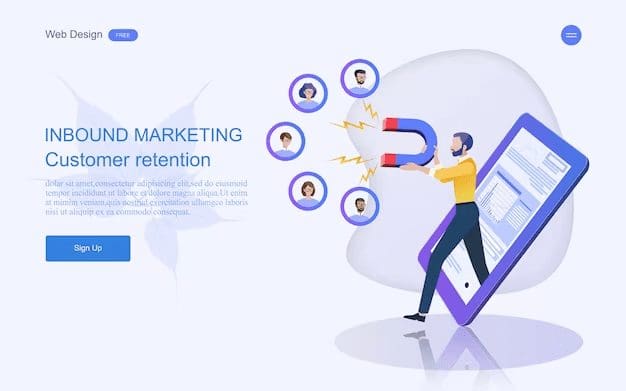
Advantages of Inbound Marketing

Numerous expert marketers trust the power of inbound marketing. There must be a reason behind it. Let’s explore them!

  1. Inbound marketing helps attract a high-quality audience to your website or store.
  2. It places you as an expert on the product or service in your market segment.
  3. Inbound marketing is loved for its high ROI (Return on investment).
  4. Efficient and cost-effective method of improving brand awareness.
  5. This marketing method can be implemented on multiple channels. For this reason, it’s one of the multi-channel marketing methods. These channels are search engine optimization, social media platforms, blog content marketing, etc.

Challenges of Inbound Marketing

When it comes to the challenges, there aren’t many. But one needs to stay careful. One mistake can cause a lot of repercussions. Let’s delve into the challenges businesses can face while implementing Inbound marketing.

  1. Generating high-quality and engaging content consistently can be a challenge, as it requires creativity, research, and time investment.
  2. Attracting a steady stream of organic traffic without relying on paid advertising can be difficult, especially in competitive markets.
  3. It can be challenging to accurately measure the return on investment (ROI) of inbound marketing efforts, as some results, such as brand awareness, are more challenging to quantify.
  4. Search engine and social media algorithms frequently change, requiring constant adaptation to stay visible and maintain effectiveness in inbound marketing strategies.
  5. Inbound marketing often targets leads in the early stages of the buying process, and converting them into customers may take time, making it challenging to demonstrate immediate results.

What is Outbound Marketing?
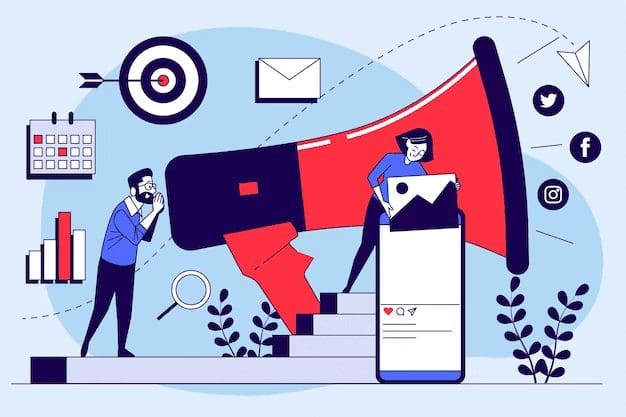
Outbound Marketing

In outbound marketing strategy, the strategy is to ‘push’ the marketing to bring in the customer. It’s often known as a traditional marketing method. It is like throwing bait, and hoping that it will trap the potential customer.

The out marketing can be achieved through outbound strategies. Here, strategies like sales funnel are not followed. Instead, various outbound strategies are implemented to increase brand awareness. Let’s take a look at some of the outbound marketing strategies:

  1. Email marketing 
  2. Billboards
  3. Telemarketing
  4. Radio Ads
  5. Trade shows or informational seminars

Learn more: Cold Email Marketing: What is it?

Benefits of Outbound Marketing

No doubt, the trust and reliability of outbound marketing is constantly diminishing, but you cannot deny the benefits of outbound marketing. Let’s have a look at the benefits of utilizing outbound marketing for your business.

  1. Outbound marketing methods, such as advertising and cold calling, can yield quicker results in lead generation and sales compared to the longer-term focus of inbound strategies.
  2. Outbound marketing allows for precise targeting of specific audiences through direct mail, enabling businesses to reach potential customers based on demographics and behavior.
  3. Outbound marketing, such as TV commercials or billboards, can quickly nurture brand visibility on a large scale, helping to create awareness among a broad audience.
  4. With outbound marketing, businesses have more control over the message they want to convey, ensuring a consistent brand image across different channels.
  5. Outbound marketing allows businesses to take a proactive approach by reaching out to potential customers directly, making it suitable for industries where personal interaction is crucial for sales.

Challenges of Outbound Marketing
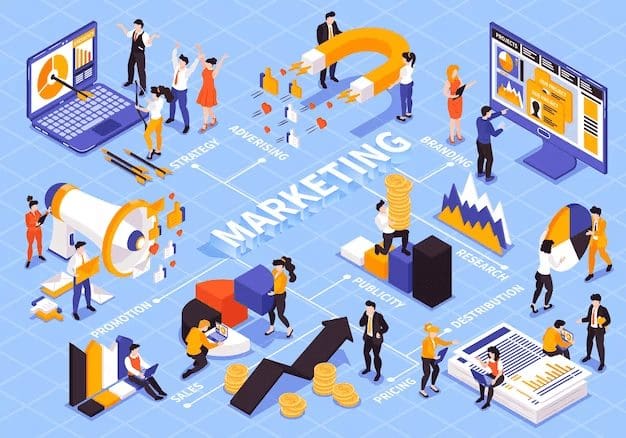
Challenges of Outbound Marketing

  1. Outbound marketing methods, such as TV ads or direct mail, can be expensive compared to digital marketing channels, making it challenging for businesses with limited budgets.
  2. Outbound marketing often has a broader reach, which can result in reaching audiences that may not be interested in the product or service, leading to lower conversion rates.
  3. Outbound marketing tactics can be seen as intrusive or interruptive, especially in today’s consumer-centric environment, potentially leading to negative perceptions and resistance.
  4. Tracking the effectiveness of outbound marketing campaigns and accurately measuring return on investment can be challenging compared to the more measurable metrics of digital marketing.
  5. The Main difference between inbound vs outbound marketing is that outbound marketing relies on one-way communication, and it may not foster the same level of engagement or relationship-building as inbound strategies, which focus on creating valuable interactions with the audience.

Inbound Vs Outbound Marketing: Differences

Inbound Vs Outbound Marketing-Differences

Now, let’s delve into the difference between inbound and outbound marketing strategies. Refer to the table below to get a better understanding of inbound vs outbound marketing.

Aspect

Inbound Marketing

Outbound Marketing

Approach

Pull strategy – attracts and engages potential customers

Push strategy – proactively reaches out to potential customers

Initiation

Customer-initiated

Marketer-initiated

Content Focus

Educational, informative, and valuable content

Promotional and persuasive content

Channels

Content marketing, SEO, social media, blogs, email

TV/radio ads, print ads, direct mail, cold calling

Costs

Typically lower costs

There can be higher costs, especially for traditional media

Targeting Precision

Highly targeted based on buyer personas and behaviors

Broader reach may lack precision

Interaction

Two-way communication encourages engagement

One-way communication, often interruptive

Measuring ROI

Measurable through analytics and lead tracking

ROI measurement can be more challenging

Time to Results

Longer-term focus, gradual results

Potentially quicker results, especially for immediate sales

Relationship Building

Emphasis on building relationships and trust

Limited emphasis on relation


Which is Better: Inbound Marketing or Outbound Marketing?

Which is Better Inbound Marketing or Outbound Marketing

If you are confused about what marketing strategy is better for you, then, I recommend implementing inbound marketing strategies. As they can provide better ROI. If you have a high marketing budget; then, both inbound and outbound marketing strategies combined will work wonders for your business. Forge ahead in B2B excellence with our Inbound Marketing Mastery! At Forge Digital Marketing, we specialize in crafting compelling strategies to attract, engage, and convert your target audience. Elevate your brand’s digital presence – discover the difference!

0

CRO, Marketing, SEO

Do you know why you should pay attention to SEO for law firms? In the competitive landscape of the legal industry, establishing a strong online presence is paramount for law firms to thrive. Transitioning seamlessly from traditional marketing strategies to the digital realm, Search Engine Optimization (SEO) emerges as a pivotal tool in enhancing visibility and attracting potential clients.

Although SEO is technical, time-consuming, and an ongoing process, the goal is straightforward. Boost your law firm’s SEO with the experts to elevate your law firm’s organic search engine performance to one step above using content, backlinks and off-page citations, and technical SEO.

In this ultimate guide, we will explore the various services of law firm SEO, explaining how it can significantly elevate your firm’s online standing. So, let’s dig into the SEO for law firms!


How SEO Can Help You Generate Leads?

In the dynamic landscape of the digital world, law firms cope with the ongoing challenge of lead generation. Search Engine Optimization (SEO) emerges as a crucial tool, akin to a guiding beacon that directs potential clients to the virtual doorstep of legal services. Its strategic implementation involves optimizing the firm’s website for pertinent keywords and crafting high-quality, informative content.

By doing so, attorney SEO marketing for law firms ensures a prominent visibility in organic search results, becoming a catalyst for attracting targeted traffic. This influx of potential clients heightens the probability of converting website visitors into valuable leads, thereby establishing a symbiotic relationship between effective SEO practices and the sustained growth of law firms in the competitive online arena.

However, as the digital ecosystem continues to evolve, the significance of SEO in shaping the client acquisition landscape for law firms remains paramount.

7 Powerful SEO Tips to Boost Lead Generation

SEO Tips to Boost Lead Generation

In the competitive landscape of online marketing, law firms strive to enhance their visibility and attract potential clients. To achieve this, implementing effective Search Engine Optimization (SEO) strategies becomes imperative.

1) Firstly, Begin by Conducting Keyword Research: Identify relevant and high-intent keywords specific to your legal services. This foundational step ensures that your content aligns with the queries potential clients are searching for.

2) Next, Optimize On-Page Elements: Craft compelling meta titles and descriptions incorporating the chosen keywords. Optimize your website’s headers, content, and images to create a seamless user experience while signaling search engines about the relevance of your content.

3) Create High-Quality, Informative Content: Develop content that addresses the legal concerns and questions of your target audience. Regularly updating your blog with insightful articles not only establishes your authority but also attracts organic traffic over time.

4) In addition to content creation, Leverage Local SEO Strategies: Register your law firm on Google My Business, ensuring accurate and up-to-date information. Encourage satisfied clients to leave positive reviews, as these play a crucial role in local search rankings.

5) Furthermore, Prioritize Mobile Optimization: With an increasing number of users accessing information through mobile devices, optimizing your website for mobile is non-negotiable. A mobile-friendly site enhances user experience and positively influences search rankings.

6) Monitor and Analyze Performance: Regularly assess the effectiveness of your SEO efforts using tools like Google Analytics. Identify top-performing keywords, track user behavior, and adapt your conversion rate optimization strategy accordingly.

7) Lastly, Stay Updated with Algorithm Changes: Search engine algorithms evolve, impacting search rankings. Keep abreast of industry updates and algorithm changes to adjust your SEO strategy proactively.

Integrating these SEO tips into your law firm’s marketing strategy will not only boost your online visibility but also enhance lead generation by connecting with individuals actively seeking legal services.

What Services of SEO for Law Firms are Available?

In order to unlock the complete benefits of Search Engine Optimization (SEO), law firms can leverage a diverse range of services customized to suit their specific requirements. This encompasses vital aspects such as meticulous keyword research, meticulous on-page SEO techniques, strategic content creation, and effective link building strategies.

Embracing a holistic SEO strategy becomes paramount for establishing a distinctive presence in the fiercely competitive digital realm. Opting for professional law firm SEO firm service, guarantees that the online initiatives of your law firm seamlessly integrate with your overarching business objectives, fostering enhanced visibility and accessibility.

By entrusting experts in the field, SEO for law firms can navigate the intricacies of search algorithms and stay ahead in the dynamic landscape of online marketing, ultimately establishing themselves as authoritative and trustworthy entities in their legal domain.

Benefits of SEO Services for Law Firms

Services of SEO for Law Firms

SEO for law firms extends far beyond enhancing visibility; it’s a multifaceted strategy that bestows numerous benefits. Beyond mere exposure, it cultivates credibility and trust, positioning your law firm as an authoritative voice in the legal landscape.

By optimizing content and employing effective SEO techniques, your online presence not only attracts but also engages potential clients. The user-friendly experience fostered by SEO for attorneys ensures that visitors can seamlessly navigate your website, establishing a positive impression.

As your digital footprint expands, so does the reach of your firm, resulting in a burgeoning client base and, consequently, sustained growth and success. The strategic implementation of SEO principles is not merely about climbing search engine rankings. It’s about crafting a reputable and influential online identity that resonates with both search algorithms and potential clients alike.

How to Monitor SEO Performance?

In the realm of digital marketing, the efficacy of strategies employed by a law firm hinges on continuous evaluation. Vigilantly scrutinizing the performance of the SEO strategy is paramount, serving as a locking pin for identifying areas of enhancement and leveraging triumphs.

An active approach to monitoring involves the adept use of analytical tools, which facilitate the assessment of keyword rankings and the analysis of crucial website traffic metrics. By harnessing these tools, a law firm can not only stay abreast of its digital presence but also adapt swiftly to the ever-evolving landscape of search engine algorithms.

This proactive approach not only ensures the maintenance of a robust online visibility but also empowers the firm to make data-driven decisions, ultimately amplifying its effectiveness in the highly competitive digital arena.

How Can Your Website Rank in Google?

Securing a prominent position on Google, the pinnacle of SEO achievement, demands a profound comprehension of Google’s algorithms. Navigating this complex landscape necessitates a commitment to optimizing your website’s standing in search engine results.

Regularly updating content with relevance, ensuring a mobile-friendly design, and cultivating a sturdy backlink profile collectively bolster your website’s credibility in the discerning eyes of search engines. These strategies align with the dynamic nature of SEO, where staying ahead of trends is as crucial as mastering the foundational principles.

As the digital landscape evolves, the pursuit of a high Google ranking demands an adaptive approach, blending technical expertise from website optimization strategies to an unwavering commitment to delivering valuable, up-to-date content to your audience.

Navigating the Marketing Mix With SEO

In the expansive realm of digital marketing, law firms face the crucial decision of allocating resources between various channels. Amid the influential roles played by paid advertising, social media, SEO emerges as a distinctive long-term investment.

Unlike the transient nature of paid campaigns, the outcomes of successful SEO strategies persist. So, consistently draw organic traffic and nurture enduring client relationships. However, SEO not only enhances a firm’s online visibility but also establishes credibility and trust, crucial elements in the legal domain.

By optimizing for relevant keywords and creating valuable content, law firms position themselves as authoritative resources within their field. Moreover, paid advertising and social media marketing contribute to immediate visibility. SEO serves as a cornerstone for long-lasting, organic growth, making it an indispensable element in the comprehensive digital marketing strategy for law firms.

Learn more: TikTok Vs Instagram: Which is Better?

Wrapping Up!

In the ever-evolving landscape of law firm marketing, SEO for law firms emerges as the locking pin for success. From generating leads and enhancing visibility to establishing credibility and fostering trust, the benefits of SEO services for lawyers are manifold.

Craft a comprehensive strategy, monitor performance, and stay abreast of industry trends. Law firms can navigate the digital terrain with confidence, ensuring a prominent and enduring online presence.

As you embark on this journey, remember that effective SEO is not just about rankings. It’s about building lasting connections with your audience in the vast digital realm.

0

Advertising, Email Marketing, Marketing, SEO

In the ever-evolving realm of e-commerce, staying at the forefront is essential for achieving success. One of the most powerful tools at your disposal is email marketing, and when it comes to seamlessly integrating it into your online store, Shopify stands out as a leader. Shopify merchants can leverage email marketing to distribute newsletters, receipts, promotions, and transactional emails such as abandoned cart recovery or welcome messages. However, with a plethora of email marketing apps available for Shopify, setting them up efficiently can be a challenge. It is crucial to acquire the knowledge of creating a successful email marketing campaign within the Shopify platform. In this ultimate guide for 2024, we’ll explore the ins and outs of Shopify email marketing to help you drive sales, build customer loyalty, and elevate your brand.

Why Email Marketing Matters?

Email marketing remains a cornerstone of online business strategies for a reason. It provides a direct line of communication with your customers, allowing you to nurture relationships, promote products, and drive sales. Here are some compelling reasons why email marketing should be a priority for your Shopify store:

1. Personalization and Targeting

  • Using Shopify will allow you to collect valuable customer data, enabling you to create highly targeted and personalized email campaigns. Tailoring your messages to specific customer segments can significantly increase engagement and conversions.

2. Automation for Efficiency

  • With Shopify’s robust automation tools, you can set up email sequences triggered by specific customer actions, such as abandoned carts, first-time purchases, or product views. This automation streamlines your marketing efforts, saving time and ensuring timely communication.

3. Building Customer Loyalty

  • Email marketing is an effective way to build and nurture customer loyalty. By delivering valuable content, exclusive offers, and personalized recommendations, you can turn one-time buyers into repeat customers and brand advocates.

4. Measurable Results

  • Shopify’s analytics and reporting features allow you to track the performance of your email campaigns. This data-driven approach helps you understand what works and what doesn’t, enabling continuous improvement.

What is Known as Shopify Email Marketing?

Engaging in Shopify email marketing involves selecting email campaigns as a key channel for promoting your brand. This strategy begins when visitors to your website willingly subscribe to receive communications from your brand via email.

This marketing channel enables you to build awareness and enhance customer loyalty through regular, non-intrusive email communication.

Explore the comprehensive Shopify marketing guide to discover techniques for:

  1. Boosting lead generation
  2. Enhancing open, click-through, and conversion rates
  3. Implementing targeted Shopify automated emails, Shopify email templates, and more!

Shopify email marketing can be approached in two main ways:

  1. Utilize a third-party email marketing service that seamlessly integrates with Shopify. The pricing and available features will vary depending on the chosen service.

  2. Use Shopify Email Marketing app, developed directly by the Shopify team. This option provides a specific number of free monthly sends (up to 10,000 emails), and any additional emails beyond that allocation are charged at $0.001 per email.

Setting Up Your Shopify Email Marketing Strategy

Email outperforms all other channels in driving sales significantly. Given this, it’s essential to craft content that ensures your presence remains prominent in subscribers’ inboxes.

However, before delving into content creation, it’s crucial to comprehend the various types of email marketing.

In general, email marketing campaigns can be categorized into three main types:

  1. Promotional emails – designed to secure sales.
  2. Engagement emails – centered around brand values and top-of-mind awareness.
  3. Automated emails – triggered by specific subscriber actions.

Pro Tip: Before finalizing your email campaign, it’s advisable to familiarize yourself with best practices in email design.

1. Collecting Subscribers:

  • Leverage Shopify’s built-in tools to collect email addresses from your store visitors. You can offer  them incentives like discounts or exclusive content to encourage sign-ups.

2. Segmentation:

  • Divide your email list into segments based on customer behavior, preferences, or demographics. This type of segmentation will enable you to send targeted and relevant content to specific groups.

3. Compelling Content:

  • Craft compelling and visually appealing emails. Use Shopify’s customizable email templates to create branded and professional-looking campaigns. Incorporate engaging visuals, persuasive copy, and clear calls to action.

4. Automation Workflows:

  • Take advantage of Shopify’s automation features to set up workflows for various scenarios, such as welcome emails, abandoned cart reminders, and post-purchase follow-ups. Automation may ensure timely and relevant communication with your subscribers without manual intervention.

Read more: What is Connective Ecommerce?

Advanced Strategies for Shopify Email Marketing

Shopify email templates
1. Dynamic Product Recommendations:

  • Implement dynamic product recommendations in your emails based on customers’ browsing and purchase history. This personalized touch can significantly increase the chances of conversion for your products.

2. Abandoned Cart Recovery:

  • Fine-tune your abandoned cart recovery emails to entice customers to complete their purchases. Consider offering discounts or highlighting the benefits of the products left in the cart.

3. Customer Feedback and Reviews:

  • Encourage customer feedback and reviews through email campaigns. Positive reviews can be showcased in future email campaigns, building trust and credibility.

4. A/B Testing:

  • Start experimenting with A/B testing to optimize your email campaigns. Test different subject lines, visuals, and calls to action to identify the most effective elements for your audience.

Compliance and Best Practices

1. GDPR Compliance:

  • Ensure that your email marketing practices comply with data protection regulations, such as GDPR. Obtain explicit consent for collecting and using customer data.

2. Mobile Optimization:

  • Given the prevalence of mobile users, optimize your emails for mobile devices. Shopify’s email templates are mobile-responsive, ensuring a seamless experience for users on smartphones and tablets.

3. Monitoring and Analysis:

  • Regularly monitor the performance of your email campaigns through Shopify analytics. Use the insights gained to refine your strategy and improve future campaigns.

Read more: How to increase sales on Shopify? 22 Proven Examples

How to Create Your Email List on Shopify?

Achieving success in Shopify email marketing begins with effectively growing your email list. Before you can initiate email campaigns, you need a base of subscribers. So, how do you convince individuals to sign up for your emails? Here are a few strategies:

  1. Exit-Intent Pop-Ups: Utilize exit-intent pop-ups, a less intrusive method targeting visitors leaving your website without making a purchase. This approach effectively captures the attention of departing visitors, providing an excellent opportunity to convert them into valuable email subscribers.

  2. Add an Opt-In Bar to Your Homepage: Complementing pop-ups, placing an opt-in email form directly on your homepage can entice users to subscribe. Positioning opt-in forms strategically, such as at the bottom of the page or in the footer, ensures visibility as visitors navigate through your site.

  3. Create a Landing Page for Sign-up Forms: Design dedicated landing pages that motivate people to join your email list. These pages offer additional space to elaborate on your products or highlight the benefits of subscribing. Including social proof, such as testimonials or subscriber counts, enhances credibility.

  4. Run a Contest and Announce a Giveaway: Engage your audience by organizing contests that encourage email sign-ups. Contests, being highly shareable, can effectively promote your Shopify store through word of mouth. Ensure the prize is appealing, incorporate social media sharing buttons, and create a theme relevant to your target market.

  5. Give Them What They Want: Offer incentives for joining your email list that may not necessarily be tied to an ecommerce transaction. Understand your audience’s challenges and provide content that helps them resolve issues while subtly directing them to your products. This approach not only encourages sign-ups but also positions your brand as an authority in your niche.

In addition to these strategies, consider leveraging the expertise of an email marketing agency. Choose an agency with a good reputation, aligning with your budget and schedule, to enhance the effectiveness of your Shopify email marketing efforts.

Types of Shopify Email Campaigns 


email marketing for ecommerce

1) Introduction to Welcome Emails 

One of the most effective ways to engage with new email subscribers is by promptly sending an automated “welcome email” upon their registration. These initial test emails play a pivotal role in shaping the tone and character of your email interactions with the subscriber, underscoring the need to accord them the highest priority.

Neglecting to dispatch welcome emails to new subscribers equates to overlooking a valuable opportunity and potentially forfeiting substantial revenue.

Shopify welcome emails serve the additional purpose of establishing clear expectations for your email communication practices. This involves detailing the types of emails you intend to send and specifying the frequency of their delivery.

2) Confirmation of Orders via Email

Emails confirming orders, similar to other automated messages by Shopify admin such as welcome emails, thank-you emails, or confirmation emails, go beyond being a mere formality to inform your customers about the transaction. They also serve as an excellent means to build a connection with your customers.

Utilizing personalization is a fantastic strategy to ensure that your Shopify order confirmation email comes across as genuinely sincere to your customers!

3) Emails for Abandoned Carts 

Utilize Shopify’s abandoned cart emails to reconnect, communicate, and establish connections with individuals who abandon their carts without finalizing their purchases. Various factors contribute to cart abandonment on Shopify.

In conclusion, Shopify email marketing is a potent tool for driving engagement and sales. By leveraging the platform’s features, personalizing your communication, and adhering to best practices, you can create powerful marketing emails that propel your Shopify store to new heights in 2024. Stay connected, stay relevant, and watch your business thrive in the competitive world of e-commerce.

Unlock Success: Elevate Your Business with Shopify Email Marketing Magic!

Finally, embracing the power of Shopify email marketing can be a transformative step towards unlocking success for your business. You learned here different email campaigns and the tips to create an email list on Shopify, so get started soon.

Moreover, by leveraging the expertise of Forge Digital Marketing, you are not just tapping into a powerful platform but also harnessing the prowess of a seasoned digital marketing partner. We are a specialized agency in Shopify marketing, focusing on the expansion of Shopify stores and Direct-to-Consumer E-commerce Brands. Shopify email marketing tools, coupled with the strategic insights enable you to not only reach your target audience but also build lasting relationships that foster brand loyalty.

As you embark on this journey, remember that the key lies not just in sending emails, but in crafting meaningful narratives or email content that resonate with your audience. 

FAQs About Shopify Email Marketing

1) How can Shopify marketing enhance my ecommerce email marketing strategy?

Shopify marketing offers a robust platform to integrate and streamline your ecommerce email marketing tool efforts. With built-in tools and features, it enables seamless creation, management, and tracking of email campaigns tailored for your online store.

2) What are the benefits of using Shopify email templates for my e-commerce business?

Shopify email templates provide a visually appealing and professionally designed framework for your ecommerce email marketing campaigns. They not only save time but also ensure consistency in branding, making your emails more engaging and recognizable to your audience.

3) How does Mailchimp integrate with Shopify, and what advantages does it offer for e-commerce email marketing?

Mailchimp Shopify integration facilitates a seamless connection between your e-commerce store and email marketing efforts. This integration allows for automated workflows, personalized customer communication, and in-depth analytics, enhancing the effectiveness of your email marketing for e-commerce.

4) Can Shopify assist in creating targeted email marketing campaigns for my ecommerce store?

Yes, Shopify provides tools to segment your customer base and create targeted email marketing campaigns. By leveraging customer data, purchase history, and behavior analytics, you can tailor your messages, promotions, and product recommendations to specific customer segments, increasing the relevance and impact of your campaigns.

5) How can I optimize my ecommerce email marketing strategy on Shopify for better results?

To optimize your ecommerce email marketing on Shopify, focus on regular performance analysis, A/B testing of campaigns, and refining your strategies based on customer feedback. Additionally, explore advanced features within Shopify and third-party apps to continually improve the effectiveness of your email marketing campaigns.

0

SEO

In today’s interconnected world, expanding your online presence globally is not just an option—it’s a necessity. International SEO plays a pivotal role in ensuring that your website is not only discovered by a wider audience but is also relevant and appealing to users around the world. In this blog post, we will explore the ins and outs of international SEO, offering 10 key steps to optimize your site for a global audience.

What is International SEO?

International SEO is the practice of optimizing a website so that search engines can easily identify which countries and languages it is targeting. The goal is to improve a website’s visibility in search engine results pages (SERPs) for users in different regions and languages. 

Google and various search engines are designed to align search outcomes with the language and location preferences of users. The essence of international SEO strategy lies in informing search engines that your website offers relevant content for individuals in specific countries or those seeking products or services in particular languages.

International SEO employs strategies such as country or language targeting, hreflang tags, designated URL structures, and other localization signals to tailor content for users across the globe.

International SEO Best Practices

1. Define Your Market Approach

Clearly outline your global market strategy. Understand which countries, regions, or international audiences you want to target and prioritize them based on business goals.

2. Do Your Market Research

Understand the search behaviors, preferences, and cultural nuances of your target markets. This insight is crucial for crafting tailored SEO efforts or strategies.

3. Do Competitor Research

Analyze the international SEO strategy of competitors in your target international markets. Identify what works well and where there are gaps that you can fill.

4. Respond to inquiries in the local language of the region and within the appropriate context

Craft content that not only speaks the language but also resonates with the local culture. Addressing queries in the right context enhances user engagement.

5. Think About How Your Strategy Will Affect the User Experience Overall

Ensure that your SEO strategy doesn’t compromise the overall user experience. User-friendly websites are favored by both users and search engines in different countries.

6. Pick the Audiences You’re Most Interested in Targeting First

Prioritize your target audiences and gradually expand. Focusing on specific regions initially allows for more effective resource allocation.

7. Translate Existing Content Carefully

High-quality translations are essential for international SEO. Avoid automated translation tools and invest in professional translation services.

8. Optimize Your Website’s Language Options (or Website Pages)

Implement hreflang tags to indicate the different language and regional targeting of each page. This aids search engines in delivering the most pertinent content to users.


9. Avoid Automatically Redirecting Users Based on Their IP Address

Let users choose their language and region preferences. Automatic redirection during international search can lead to misunderstandings and a less-than-ideal user experience.

10. Tailor Topics to Suit Local Cultures

Consider cultural nuances when creating content. Adapting topics to local cultures enhances relevance and resonance with the target audience and target countries.

11. Create a Link-Building Strategy Tailored to Each Market

Build region-specific backlinks to strengthen your website’s authority in each target market.

12. Take Into Account Other SEO Signals

Consider other SEO signals, such as mobile optimization, content marketing, email marketing, site speed, and secure connections, as these factors also influence search rankings.

What’s the Difference Between International SEO and Local SEO?

Local SEO targets a specific geographic area, such as a city or region, while international SEO services are broader, focusing on multiple countries and languages.


Aspect

International SEO

Local SEO

Scope

Targets a global or multi-country audience.

Focuses on a specific geographic area or locality.

Target Audience

Aims to reach users worldwide or in multiple countries.

Targets local customers within a specific vicinity.

Keyword Focus

Requires optimization for diverse languages and terms.

Emphasizes keywords relevant to the local community.

Content Localization

Involves adapting content for various languages/cultures.

Requires content tailored to the local community’s needs.

Geo-Targeting

Utilizes country or language targeting strategies.

Focuses on optimizing for a specific city or region.

Hreflang Tags

Critical for indicating language and regional targeting.

Not as prominently used; the focus is on local relevance.

Cultural Considerations

Adapts content to diverse cultural sensitivities.

Tailors content to local cultural preferences and norms.

Search Engine Dominance

This may involve optimizing for various search engines.

Primarily optimized for dominant local search engines.

Local Citations

May prioritize global or industry-related citations.

Relies on local business listings and directories.

User Reviews

Encourages reviews from users across different regions.

Focuses on accumulating reviews from local customers.

Website Design

Requires flexibility to accommodate diverse audiences.

Often focuses on reflecting local community aesthetics.

Competition Level

Faces competition on a broader, international scale.

Competes with local businesses in a specific area.


Read more: Unlock the Ecommerce Business Growth with Klaviyo.

Why is International SEO Important?

Expanding your reach globally through a global SEO strategy will open up new markets and opportunities. International SEO efforts ensure that your website is visible and accessible to a diverse audience, driving organic traffic and potential customers from around the world.

Through the adoption of international SEO tactics, businesses can strategically focus on particular markets and languages, establishing connections with potential customers on a global scale. This broader outreach has the potential to enhance website traffic, elevate brand visibility, and generate potential sales in diverse markets.

Achieving visibility in search results for pertinent keywords across various languages and locations can substantially amplify organic traffic to a website. When international SEO is implemented effectively, it captures the attention of users actively seeking products or services in their native languages and specific regions. This precision in targeting often results in heightened conversion rates, ultimately contributing to increased revenue and overall business expansion.

Factors That Affect International SEO

International SEO success hinges on numerous checklist factors.

  • Language and cultural nuances demand tailored content, while targeted keyword research is essential for diverse search behaviors. 
  • Geo-targeting, reflected through hreflang tags and localized URL structures, signals relevance to search engines.
  • Adapting to regional search engine preferences is crucial, as is navigating legal and regulatory requirements.
  • User experience, influenced by responsive design and localized functionalities, plays a pivotal role.
  • Consistent citations across global and local platforms build credibility.
  • An understanding of diverse market competition and adapting strategies accordingly is vital.
  • Ultimately, meticulous attention to these factors ensures effective international SEO implementation.

As an internationally recognized SEO consultant and expert, you need to seamlessly navigate the ever-evolving landscape of digital marketing. With a profound understanding of search engine optimization strategies tailored for global audiences, an international SEO expert crafts bespoke solutions that transcend geographical boundaries.

Leveraging his expertise in optimizing websites for diverse languages and cultures, an international SEO consultant ensures that his client’s online presence resonates effectively on a global scale. His nuanced approach to international SEO not only boosts visibility but also drives organic traffic, establishing him as a trusted authority in the field. Clients worldwide seek his guidance, confident in his ability to propel their digital footprint to new heights in the international market.

Questions to Ask About International SEO

1) What are the primary languages spoken in my target markets?

  • Research the demographics of your target markets to identify the primary languages spoken.
  • Utilize language preference data from Google Analytics tools or market research to determine language priorities.

2) How do users in different regions search for products or services similar to mine?

  • Conduct keyword research specific to each region to understand how users search for products or services similar to yours.
  • Analyze search trends and popular search queries in each target region to tailor your content accordingly.

3) What cultural considerations should be taken into account in my content?

  • Study cultural nuances and preferences in each target market, whether it is for an Ecommerce marketing agency or any other field.
  • Adapt content to align with cultural sensitivities, values, and communication styles.
  • Consider incorporating localized imagery, references, or idioms that resonate with the cultural context.

4) Are there specific search engines dominant in my target regions?

  • Identify the primary search engines used in your target regions.
  • Optimize your website for the dominant search engines by adhering to their algorithms and guidelines.

5) How can I adapt my website’s design and functionality to cater to diverse audiences?

  • Implement a responsive design to ensure your website functions well on various devices commonly used in different regions.
  • Consider language-specific URL structures and navigation to enhance user experience.
  • Use hreflang tags to signal to search engines the language and regional targeting of your content.
  • Incorporate currency and measurement units relevant to each region.
  • Ensure that your website complies with any legal or regulatory requirements specific to your target regions.

Summing Up:

Finally, international SEO is a multifaceted endeavor that requires careful planning and execution. By following these 10 key steps and understanding the nuances of global markets, you can position your website for success on the international stage. Embrace the opportunities that come with a global audience, and watch your online presence thrive on a truly international scale.

0

SEO, Supplement Marketing

If you’re looking to sell kratom online in 2025, you’re in the right place. The landscape for marketing botanicals like kratom is evolving—fast. In this guide, we’ll share cutting-edge digital marketing strategies including programmatic advertising, SEO, email marketing, and compliant commerce tools that can help you grow your kratom business sustainably.

Programmatic Display Advertising

Programmatic display advertising is a great way to get your kratom products in front of the right people. With programmatic advertising, you can use data to target specific audiences based on demographics, interests, and browsing behavior. This means you can reach potential customers who are already interested in kratom, and you can do it in a cost-effective way.

To get started with programmatic advertising, you’ll need to partner with a reputable ad network or demand-side platform (DSP). Look for a platform that offers real-time bidding, advanced targeting options, and reporting and analytics tools. Then, create eye-catching ads that showcase your products and highlight their benefits. Finally, set your campaign budget and launch your ads.

Programmatic advertising remains one of the fastest ways to scale visibility for kratom brands—if done correctly.

What’s New in 2025:

  • AI-powered audience segmentation: Platforms now leverage machine learning to micro-target audiences who’ve shown kratom interest signals across forums, Reddit, and alternative wellness sites.

  • Geofencing for legal compliance: Use location-based targeting to avoid showing ads in restricted states.

  • Cookieless solutions: With third-party cookies phasing out, ensure your DSP uses first-party data strategies.

Action Steps:

  1. Partner with DSPs that support high-risk or regulated categories.

  2. Use interactive formats like video carousels or animated banners.

  3. A/B test your creatives for engagement and CTR, not just impressions.

Search Engine Optimization

Search engine optimization (SEO) is the practice of optimizing your website and content to rank higher in search engine results pages (SERPs). By optimizing your site for relevant keywords, you can attract more organic traffic and generate more leads and sales.

SEO is still the cornerstone of sustainable growth for kratom businesses. However, the kratom niche is ultra-competitive and Google’s algorithms continue to scrutinize YMYL (Your Money, Your Life) topics—like herbal supplements.

For a real-world example, see how we turned an SEO disaster into digital dominance in our CBD & Kratom SEO case study.

2025 SEO Priorities:

  • E-E-A-T: Emphasize Experience, Expertise, Authoritativeness, and Trust. Include author bios, cite medical sources, and include transparent disclaimers.

  • Topical authority: Build clusters of content around kratom benefits, legality by state, usage guides, strain comparisons, and buyer safety.

  • Video SEO: Embed short, informative videos with transcript-rich schema.

  • Speed + UX: Google’s Core Web Vitals are a stronger ranking factor than ever.

Keyword Tip: Include long-tail terms like “best kratom for focus 2025” or “is kratom legal in [state]” and monitor SERP features like People Also Ask boxes.

Warning: Avoid black-hat or outdated link-building tactics. Demand real case studies from any SEO agency you hire.

To optimize your site for kratom-related keywords, start by conducting keyword research to identify the terms that people are searching for. Then, create high-quality content that targets these keywords, and optimize your site’s on-page elements, such as title tags, meta descriptions, and headers. Don’t forget your image alt text! Finally, build high-quality backlinks to your site from other reputable websites in your industry.

This is a highly competitive niche to compete in for SEO. Beware of cheap SEO agencies who promise the world and do not have evidence of delivering previously. Always ask your SEO partner for case studies that showcase their kratom SEO prowess!

Email Marketing & SMS Marketing for Kratom Sellers

Email marketing is a powerful way to build relationships with your customers and keep them engaged with your brand. With email marketing, you can send targeted messages to your subscribers based on their interests, behaviors, and buying habits. You can also use email to promote new products, offer exclusive discounts, and provide helpful content.

Email marketing continues to deliver exceptional ROI—but with more restrictions on kratom in mainstream platforms, your tech stack matters.

To get started with email marketing, you’ll need to build an email list of subscribers who have opted in to receive your messages. Then, use a reputable email marketing platform (ESP) to design and send your messages. Make sure your emails are visually appealing, mobile-friendly, and personalized to each recipient. Finally, track your results and adjust your strategy based on what’s working and what’s not.

We recommend utilizing Klaviyo as your email marketing platform if you’re a kratom seller. You’re going to be hardpressed to find another email provider with robust integrations for Woocommerce, Shopify and Bigcommerce and other CRMs that ALSO has kratom whitelisted (or allowed) on its platform. However, you will find SMS or text message marketing a challenge.

Why Klaviyo Still Rules in 2025:

  • Still kratom-friendly.

  • Deep integration with WooCommerce, Shopify, and BigCommerce.

  • Supports dynamic segments, automations, and advanced reporting.

Tactics:

  • Offer opt-in incentives (10% off, free shipping).

  • Build flows: Welcome, Abandon Cart, Post-Purchase, Replenishment.

  • Use surveys to personalize product suggestions (e.g., pain relief vs. energy).

SMS Marketing

Due to ongoing challenges with SMS carriers and kratom-related restrictions, you’ll need niche-compliant partners. Forge has one trusted provider that still allows compliant SMS delivery in 2025.

Compliant Checkout & Merchant Solutions

Selling kratom online requires specialized payment processing and platforms. Most mainstream providers like Stripe, Square, and PayPal still ban kratom.

Solutions in 2025:

  • High-risk merchant accounts via specialized processors.

  • WooCommerce and BigCommerce integrations with payment gateways like Easy Pay Direct or DigiPay.

  • Ensure your checkout pages clearly display legal disclaimers and terms of service.

Pro Tip: Work with developers who understand kratom compliance to avoid failed audits or shutdowns.

Bulk Kratom from EZ Kratom

If you’re looking for a reliable bulk kratom supplier to start your brand with, look no further than EZ KRATOM. This trusted supplier offers high-quality kratom at competitive prices, and they ship quickly and discreetly. Plus, they offer a wide variety of strains and formats, including powder, capsules, and extracts.

eCommerce Platforms for Kratom Sellers in 2025: Shopify is Now a Viable Option

Historically, Shopify had strict limitations against selling kratom and other botanicals. But as of 2024 and moving into 2025, Shopify has become a more flexible and viable platform for kratom, kava, alt-wellness, and even some hemp-derived THC product sellers.

Why Shopify Works Now

Many of our clients in the botanical space are now operating successful Shopify and Shopify Plus stores. Shopify’s policy updates, combined with the ability to use approved third-party payment gateways, have opened the door to kratom businesses that prioritize compliance and transparency.

Benefits of Shopify for Kratom Sellers:

  • Fast, scalable storefronts with built-in hosting and security

  • Robust app ecosystem for loyalty, upsells, email, and reviews

  • Shopify Plus options for high-volume kratom brands

  • Support for high-risk payment processors like DigiPay and Easy Pay Direct (via approved integrations)

  • Seamless plug-ins for Klaviyo (email) and Gorgias (support)

⚠️ Note: You still need to use a compliant payment gateway. Shopify Payments (powered by Stripe) does not allow kratom. You must use a vetted high-risk merchant provider with Shopify integration.


Pro Tip:

When building your kratom store on Shopify, include a Terms of Use and Legal Disclaimer page to meet compliance requirements and reduce merchant risk. Forge can assist with both your eCommerce setup and compliant checkout integrations.

In conclusion, selling kratom online can be a profitable and rewarding business. By using programmatic display advertising, search engine optimization, and email marketing, you can reach more customers and grow your business. And with a reliable supplier like Ez Kratom you can rest assured that you’re offering your customers the best possible products.

0

SEO
Only 63% of small businesses are utilizing a strong SEO strategy despite the proven benefits of search engine optimization. In an increasingly digital economy, your online presence matters now more than ever. Because CBD has achieved mainstream popularity in the past few years, many CBD businesses are fledgling. How you market your business in those first few years can have a huge impact on your long-term success. Today, we want to share the benefits of SEO for CBD companies. Due to factors like high competition and limitations on paid advertisements, you won’t want to miss out on this chance to boost your CBD business marketing. Read on for six key benefits of adopting an SEO strategy for your CBD business.

1. Compensation for Ad Restrictions

If you’ve started your CBD business in the recent past, you may not realize that you’re facing an unusual challenge. Most popular advertising platforms put strict limitations on the CBD products you can advertise using paid ad services. For example, most will not allow paid ads for non-topical CBD products and all CBD products that contain THC. Google has made slight adjustments to its restrictions, but only if you’re operating your business from California, Colorado, or Puerto Rico. For all other businesses and businesses that want to advertise to a national or global audience, paid ads are largely off the table. The good news is that with a strong SEO strategy, you can still boost your search engine ranking to grab the attention of internet users searching for CBD products. Without the boost from paid ads, it’s crucial that your business gets the spotlight on popular search engines like Google.

2. Becoming a CBD Thought Leader

Because CBD is a new product to many consumers, most people are still trying to understand the benefits and potential drawbacks of using CBD. Research and studies are still in their early phases, which means that there is a lot of conflicting information out there. One way to boost your SEO is to develop a high-quality blog where you share your thoughts and research-backed information about your products and other relevant topics. By using high-ranking keywords, you can get your blog posts in front of an audience that is seeking answers. This can position you as a thought leader in a budding industry and put you on the cutting edge of CBD marketing and research.

3. Creating Trust

All businesses should care about creating trust with consumers. However, this is especially important for businesses selling consumable products. Consumers need to know that they can trust the quality of your CBD products and the integrity of your brand before they make a purchase. Search engine optimization is more complicated than it seems on the surface. Search engines like Google will crawl your website to make sure that it is offering quality information, fast loading speeds, and intuitive navigation. In other words, in the process of improving your SEO, you’ll improve your entire website, creating something professional, usable, and trustworthy. Plus, increased SEO means that your brand will get more views. Research has proven that increased brand awareness increases consumer trust.

4. Boosting Web Traffic

Once again, CBD businesses face unique challenges due to the nature of the products they sell. As a CBD seller, you won’t be able to take advantage of some of the top e-commerce marketplaces like Amazon. Instead, you’ll have to rely on your own shop and website for all of your sales. The purpose of SEO is to help your website rise to the top of major search engines. The goal is for interested consumers to stumble across your website with ease the moment they decide to search for CBD products. Because you can’t rely on major online marketplaces, you need that web traffic to land sales, and high levels of web traffic are practically guaranteed to boost sales.

5. Maximizing Marketing Costs

Chances are, you already put money into your marketing efforts. You work hard on your social media campaigns and your email newsletter. You put time and effort into generating strong product listings and content to bulk up your website. The problem is that without an SEO strategy, a lot of those additional marketing efforts fall flat. SEO incorporates all of those individual approaches to marketing with a focus on boosting visibility. Make sure that your CBD products and expertise get the audience they deserve by boosting your search engine rankings.

6. Increasing Competitive Strength

Though CBD is a newly popular product, the competition is fierce. In fact, many companies launched because there was so much room for new business in your expanding market. Some predict that the global CBD market is worth about $3 billion because so many companies have started selling CBD products. When faced with tough competition, the best thing you can do is rise to the top. If your website and social media are overshadowed by other companies offering similar products, it’s time to work with the algorithms, rather than letting the algorithms bury you. As we mentioned earlier, a lot of small businesses aren’t adopting an SEO strategy. As a CBD business backed by SEO, you’re bound to become the fiercest competitor.

Don’t Overlook the Benefits of SEO for CBD Sales

Are you running a CBD business without an SEO strategy? It’s time to pay attention to the benefits of SEO for CBD sales. The best part is that you don’t have to become an SEO expert overnight to improve your business’s search engine optimization. Instead, partner with the experts at Forge Digital Marketing. We have both SEO and CBD marketing experience, making us your perfect match. Contact us and let us know which of our digital marketing services you’re interested in so we can start customizing your campaign.
0

SEO

With over 1.5 billion websites on the internet, there are bound to be plenty that advertise the same products as you. There’s only one way to make sure your website is the one potential clients find. 

SEO. 

SEO, or search engine optimization, is the process of customizing your content to boost your site’s priority on search engines. Each year, different SEO trends emerge as the best ways to get people to flock to your site. Getting on the top 2023 SEO trends is a great way to get a head start on your competition. 

This article will walk you through the top digital marketing SEO tips to make sure your SEO soars in the new year. 

1. User Intent 

SEO is going to explode in 2023. Everyone wants to get in on this innovative form of marketing. So if you want to succeed, you’re going to need to focus on giving people exactly what they want. 

Rather than making use of general keywords, try to find exactly what your customer is looking for. The more precisely your keywords relate to your customers’ search words, the more likely they are to end up on your site. 

Make sure your pages have links to other pages that also contain relevant information that your customers would appreciate knowing. Understanding just how much content they want is key to keeping them hooked on your site. 

Put yourself in the mind frame of one of your potential customers. When you look for a piece of information or a product, you want to get it from a website that’s laid out clearly and is easy to navigate. 

Make sure that each of your web pages has these qualities. Otherwise, your clients will go elsewhere. 

2. Video Marketing

Video marketing has been skyrocketing in popularity since the dawn of the internet, and it’s only going to become more popular in 2023. 

You might wonder how does video marketing work in the world of SEO? Isn’t SEO all about keywords an inherently linguistic form of communication? 

What you need to remember is that video content doesn’t exist in a vacuum. Any piece of visual media is surrounded and framed by words. Videos have comment sections, descriptions, and most importantly, titles. 

All of the above linguistic opportunities can be used to generate SEO content. 

Keep in mind that SEO isn’t only about keywords too. Integral to your site’s SEO is the amount of time that people spend on your website. The more time that people spend on your site, the higher your SEO ranking is going to be. 

This means that creating quality video content is key. Create content that people are likely to sit completely through, or that will make people want to watch more. 

3. Voice Search 

Voice search features are only becoming more popular and more accurate. Increasingly, people would prefer to search for things hands-free if they can. 

This means a landslide for the world of SEO marketing. 

Key to SEO is not just what people are looking for, but the precise phrases people use to look for them. SEO experts have to be highly specific and detailed in their research. Any shift to the landscape of search engines can cause vast consequences in the world of SEO. 

Voice search doesn’t make use of any sort of different algorithm. It does, however, impact the words people use to search. 

When people search using their voice, they’re more likely to take on an informal, conversational tone. They’re also more likely to use more words than they would if they were typing. 

This less precise, more conversational way of searching isn’t matched by many people’s sites. Start incorporating keywords that make use of these tactics, and you’re more likely to succeed.

4. Mobile SEO

As the years roll on, more people are satisfied to search for what they want on their phones. Just like voice search, people are likely to search for things differently when they’re entering a new world of search.

In the mobile world, people are often typing with only one hand, or are searching for something on the fly. This means they’re going to be less precise, and use different words when searching for certain things. 

Websites also appear differently when they’re encountered on a phone than when they’re encountered on a computer. A page that appears normal on the computer might take forever to scroll through on the phone. Just think of the different sizes of screens! 

Make sure you specifically design your pages for mobile users; otherwise, people will leave your site fast. This sort of interaction is known as a “bounce” and it’s very bad for your SEO. 

Review the principles of web design, which will help you design a great mobile site. 

5. Authority

The internet is more overstuffed than ever, and people want to make sure that the content they consume comes from a reliable source. 

If you want to succeed in 2023, you’re going to need to hire experts or make sure you come across as an expert to your customers. Become a thought leader in your field by focusing on quality over quantity. If you’re the voice that people in your community turn to, customers are far more likely to trust you. 

Make sure people know who creates your content, and why the content is being created. By being upfront with your customers, you’re far more likely to be trusted. 

Understand These SEO Trends

As you can see, there are many SEO trends that you can follow in 2023 to increase your business. Master the above tactics, and you’re on your way to success. 

For more information on SEO and digital marketing, contact us today. 

0

Advertising, SEO
Cannabis is no longer the countercultural staple it used to be. With legalization sweeping the nation and statistics saying that nearly 1/5th of all Americans have used cannabis, this substance is becoming an essential part of our everyday lives. If you run a cannabis company, you might be wondering how to use cannabis marketing ideas to boost your business. The legal cannabis business is new, so there aren’t many tried and true marketing plans out there. Keep reading, and we’ll give you the top cannabis marketing tips to succeed in the market today.

Get Everything Online

First things first, you need to make sure you’re making use of online marketing. Attention simply just doesn’t go out into the “real world” anymore. You can buy the biggest billboard in the world. People won’t notice it because their attention is all on their phones. Digital marketing can be as complicated as a pay-per-click plan or as simple as making posts on social media. No matter what your budget is, you can promote yourself through the world of online marketing.

Consider Using SEO

SEO, or search engine optimization, is a little marketing technique you’ve probably never heard about. But to make it big in the digital age, you’ll have to understand SEO tactics. SEO is all about optimizing your page to appear high on search engine results. Plenty of businesses are buried just because people don’t want to scroll down a page. Less than one percent of all users make it to the second page of a search engine result. If you want to stand out, you have to be one of the top results. The key to SEO is “keywords.” These are the specific phrases that people use when searching for a particular good or service. Search engines look at specifics, not generals, so you’re far more likely to succeed if you can figure out exactly how your potential customers are searching for your products. There are many tactics to improve SEO, but the most common is to produce blog content that repeatedly embeds specific keywords into the content to boost search engine results. However, don’t use too many; Google calls this process “keyword-stuffing” and will punish your ranking for this.

Seek out Display Advertising

It’s hard to get the reach and impressions you deserve when marketing cannabis on Facebook or Instagram isn’t possible due to community guidelines. Cannabis companies face marketing challenges and adversity online. But there are solutions specifically tailored to advertising Cannabis or THC products online. One of these solutions is Programmatic Display Advertising. This solution allows us to run ads for our cannabis clients to those with interests in all things THC! We can target those with search intent to prospect new customers or run retargeting ads to those who have already visited your site to encourage them to come back and check out, often times with a click-enticing offer.

Set up Email Automation

Your foundation for a well operating THC company selling online should be strong email marketing and email automation practices. Klaviyo is our favorite ecommerce email marketing platform and bonus points: they whitelisted cannabis to run on their platform (as long as you’re not making outlandish medical claims of course). Through establishing proper flows like a welcome sequence, abandoned cart flow and customer winback sequences, as well as ongoing timely email campaigns you can expect 20-30% of your revenue to come from this channel.

Brand You or Your Company

Running a company doesn’t mean running a brand. A brand has a specific identity; a company is made into an identity.  Making yourself into a brand is key to spreading your business. You’re letting your customers advertise for you by branding your business correctly. Just take a look at the perfect example of branding apple. Their sleek designs align with their message of simplicity, progress, and efficiency. In their stores, employees wear t-shirts and are instructed to speak to customers casually. The result of this is that every apple product is immediately identifiable. It relates to a way of living. As soon as someone sees one of these products, they’re reminded of Apple. You can create a great brand by making advertisements that don’t just focus on the bottom line but are memorable, quotable, and feature unique visuals. You can even put these visuals on shirts, creating walking advertisements.

Know Your Customers Well

Cannabis is so popular now that you can’t rely on one type of person to populate your business. Many cannabis businesses focus on a sort of “stoner” image. This can work if your customers are young, countercultural figures. However, it’s not the only game in town. More and more older people are using cannabis to aid symptoms of certain health conditions. This means a discomfort-relieving, family-friendly image is possible for new cannabis companies. You’re engaging in niche marketing when you find out exactly who your customers are and market to them. In the 21st century, this is a crucial tactic. People are tired of big, general advertisements aimed at everyone; they want someone to appeal to them. Take the time to get to know your regular customers by name. If you can identify them and provide them with specialized services, they’re more likely to recommend their friends.

Don’t Make Claims Without Evidence

While cannabis is legal in many states, it’s not legal everywhere. It’s also a drug. We don’t mean this in a moral way; it’s a medical product, just like Nyquil or Advil; drugs have certain restrictions placed on them. You have to make sure that you don’t make any claims that cannabis can treat things that it hasn’t been proven to treat. Anecdotal evidence is not enough, and any story, book, or documentary about cannabis “curing cancer” should not be followed; you need to go by scientific studies. Generally, cannabis hasn’t been found to cure anything. However, it can treat the symptoms caused by plenty of problems. When it comes to conditions like arthritis or anxiety (where the symptoms cause medical issues), it’s highly effective. Make sure you don’t claim that cannabis treats “pain”; you’ll enter some murky legal territory. Instead, suggest that it “alleviates discomfort.” While claiming certain things like this will undoubtedly increase attention, it’s not worth it for the legal ramifications.

Marketing for Your Cannabis Company

As you can see, marketing for the world of cannabis obeys many of the same principles as marketing for the rest of the business world. The big exception is that there are specific claims you can’t make for cannabis. For more information on marketing, whether for a cannabis company or otherwise, contact us today.
0

SEO

Over 50% of all website traffic starts on a search engine. Unfortunately, 75% of search engine users don’t bother checking the second page of search results.

With search engine optimization (SEO), you can help more people find your cannabis website. Not sure how to use cannabis SEO? Read this cannabis SEO guide to gather the information you need for an effective strategy!

With these tips, you can give your cannabis digital marketing strategy the boost it needs. Light it up with these tips today.  

Gather Audience Research

In order to improve your search engine rankings, you need to gain a better understanding of your target audience. Then, you can create content that appeals to the consumer’s search intent. Their search intent indicates what they’re looking for while online.

For example, maybe they’re looking for marijuana or CBD products to purchase. Maybe they want to learn about the different types of CBD or marijuana strains.

Maybe they want to read reviews other consumers have posted about your CBD store. 

Don’t assume you understand who your customers are or what they care about. Instead, gather audience research. First, define your target audience based on demo- and psychographic research.

For example, you might consider:

  • Age groups
  • Gender
  • Buying behaviors
  • Interests
  • Hobbies
  • Pain points
  • Location
  • Marital status
  • Income
  • Education
  • Career

Break your larger audience into smaller groups. Then, gather keyword research based on the search terms each group uses when researching CBD and marijuana.

You can use tools like SEMRush, Answer the Public, Google Trends, and Google Keyword Planner to develop a list of keywords. Look for long-tail keywords that include four or more words. These phrases can help you understand the user’s search intent.

Then, you can start creating content that appeals to their search intent. Appealing to the consumer’s needs can help you attract them to your website. As they click on your content on search engine result pages (SERPs), your clickthrough rate will increase.

Improving your clickthrough rate can boost your rankings on SERPs. Higher rankings can benefit your entire marijuana digital marketing strategy. You can generate more brand awareness and website traffic before boosting leads and sales. 

Update Your Website

Google will also review your website before determining your SERP rankings.

First, make sure your site is mobile-optimized (run it through Google’s Mobile-Friendly Test to check). Google uses mobile-first indexing, meaning it will look at the mobile version of your site first.

Next, run your site through Google’s PageSpeed Insights and Core Web Vitals. Make sure your site is fast, secure, and user-friendly.

If you haven’t updated your website in a while, hire a cannabis digital marketing agency before using the rest of this cannabis SEO guide. They can improve your cannabis website design with SEO in mind. Then, you can use technical SEO to boost your rankings. 

Claim Your Listing

Claim and optimize your Google Business listing. Your listing will help consumers find your:

  • Business name
  • Hours
  • Phone number
  • Address/directions
  • Customer reviews
  • Photos/videos
  • Recent posts

Make sure the information on your listing matches exactly what appears on your website. Google will compare the two to determine the accuracy.

Ask your customers to post their reviews on your listing. Positive reviews can boost your brand’s reputation and credibility. If you receive negative reviews, don’t delete them.

Instead, respond right away to show consumers you’re willing to help solve their problems.

Otherwise, add fresh photos, videos, and posts to your listing. Keeping your listing up-to-date can benefit your local SEO strategy. Then, you can attract more people to your website and storefront. 

Create Quality Content

Use your keyword research to create quality blog content. Answer the questions your customers are asking to demonstrate your expertise. You could become a go-to resource for all their cannabis questions and needs. 

Optimize your posts for on-page SEO by including your target keyword in the:

  • URL
  • Page title
  • Opening and closing paragraphs
  • An H1 header
  • Image file name
  • Image alt text
  • Body text
  • SEO title
  • SEO description

Make sure your title and description are engaging. These elements will appear on SERPs. Remembering, generating more clicks could boost your rankings.

Try adding video content to your content marketing strategy this year. Google displays videos as featured snippets, which appear at the top of SERPs.

Generate Backlinks

Backlinks will send readers on other websites to your cannabis website, allowing you to generate more traffic. Backlinks are one of Google’s top ranking factors. You can start generating backlinks by guest blogging on other websites. 

Otherwise, consider working with an experienced marijuana digital marketing agency. Their backlink-building services can help you boost your rankings. 

Share Your Content

Make sure you’re sharing your blog content on other websites.

For example, you can send subscribers an email newsletter directing them to your blog posts. You can also reformat your posts for social media to generate traffic. 

As more people visit your website, your rankings could improve.

Track Trends

As you begin using cannabis and CBD SEO strategies, make sure to keep track of new trends. Tracking SEO trends could help you discover new ways to get ahead of competing brands. 

For example, about 48% of consumers use voice search for general web searches. You can appeal to voice searches by focusing on long-tail keywords that are phrased as questions. About 40.7% of voice search answers come from featured snippets.

Featured snippets appear at the top of SERPs, helping you generate more web traffic and leads. 

You can work with an agency to make sure you never fall behind SEO trends. 

Analyze and Adjust

Once you begin using these tips, review your Google Analytics. Which posts do your customers read the most often? Look at the post type (video, blog posts, infographic, etc.), topic, and target keyword.

Review your data to make informed changes to your cannabis SEO strategy in the future. 

Light It Up: Boost Your Cannabis SEO Rankings Today

Developing a strong cannabis SEO strategy can help you reach new customers online. Then, you can expand your reach, generate more traffic, and boost sales. Use this cannabis SEO guide to help your business grow.

Remember, you don’t have to develop your SEO strategy alone. Consider working with a cannabis digital marketing agency this year instead. 

Ready to get started?

Contact our team today to learn more!

0

Marketing, SEO

About 72% of marketing chiefs now say that the importance of marketing has increased in the last year. It’s no wonder global advertising revenue is forecasted to hit a record 2021 billion in 2021. That figure will grow even more in 2022.

Effective marketing can help you connect better with consumers, keeping you ahead in an increasingly competitive marketplace. But with the marketing world so dynamic and always changing, many business owners find it challenging to keep up.

One way to stay on top of marketing in your company is to partner with a top marketing agency. Many businesses already do so, with 54% of today’s companies using third-party agencies to connect with customers.

But before you hire a marketing company, it helps to know what such a company can do for you. In this blog, we highlight eight key areas a marketing agency can help you in. 

Let’s delve right in.

Branding

Your brand identity is vital to your business. It serves as a unique representation of your business and can help strengthen your relationship with customers. A strong brand identity can help make you more competitive.

Your marketing agency works with you to determine which marketing strategies can best represent your vision and brand identity across different marketing channels. They help you create an individualized brand voice, as well as a perfectly designed logo and unique graphics for your company site. 

Ultimately, your branding agency helps you forge a brand identity that stands out in the marketplace. They also help ensure that your branding stays clear and consistent across all your marketing channels.

Content and Copywriting

One of the top 2022 digital marketing trends will be the focus on high-quality content. That’s why you need to review your current content marketing strategy to check whether it’s up to snuff. 

Marketing companies are experts when it comes to creating content that engages with audiences. They can help ensure that your content boosts your business’ position as a thought leader within your industry.

The right marketing agency will have seasoned wordsmiths that help create top-quality copies for your company blog. Such content helps give your company a unique and powerful brand voice. Whether it’s emails, landing pages, web pages, newsletters, or press releases, you can count on your marketing agency to come up with content that communicates effectively with your audience. 

Search Engine Optimization (SEO)

Having a wealth of top-quality content does you no good if the content is not visible online. That’s why SEO is an indispensable part of any successful digital marketing campaign. SEO helps ensure that your website, content, and offerings show up quickly in SERPs.

A marketing agency has the SEO experts you need to carefully audit your website and content. These experts implement effective strategies to optimize your site. In doing so, your content gets to rank higher in major SERPs, which in turn drives organic traffic to your company website. 

Website Design

Your website’s design plays a massive role in how users view you. About 94% of visitors will form their impression of your overall website based on its design alone. When you hire a marketing agency, their web developers will get to work bringing its current design to the next level, so it serves your company well.

Some of the web design services that you can expect from your marketing agency include:

  • Graphic design
  • HTML coding 
  • Web interface development (UI)
  • SEO

With superior web design, you can reduce bounce rates and enhance click-through rates.

Social Media

A top marketing company will also provide social media marketing services. The vast majority of internet users are active on social media platforms, with billions visiting these sites every day. A solid social media marketing strategy can help you connect with these users.

The marketing agency you hire will most likely provide professionals who can effectively get your business’s social channels up and working. They will help you curate top-notch content and media that keep users highly engaged on your social platforms.  They can also help ensure that you have a knowledgeable person to manage your social media platforms at all times. 

PPC Marketing

Pay-per-click advertising is among the most effective tools you can use to advertise your company’s products or services. This concept involves paying publishers whenever a user clicks on your advertisement link.

Your marketing agency can provide a professional who’s an expert in PPC to help create top-grade ads on search engines and social networks. They can help identify which channels are the most cost-effective and productive for your PPC campaign.

Email Marketing

The benefits of email marketing are many, including the fact that it has one of the highest ROIs in the world of marketing. A robust email marketing strategy can help you boost your sales tremendously. 

Let a professional marketing agency take over your email marketing efforts. They can help design your messages to ensure that you’re engaging well with every sector of your audience. Among the email marketing services you can expect from the agency include:

  • The creation of email blast
  • Email automation
  • Newsletters
  • A/B testing 

A marketing agency adds a professional touch to your email marketing, helping optimize its unquestionable power.

Take Your Marketing to the Next Level With a Marketing Agency

One of the most powerful marketing tips available to businesses is to work with a marketing agency. These agencies use their expertise, experience, and resources to create a marketing campaign that delivers tremendous results. With their support, you can be sure to meet and exceed all your marketing goals.

Are you interested in elevating your marketing campaign? Contact us today and learn how we can help.

0

Skip to content